I can't recall when my interest in humanitarian causes began, but I remember a deep pressure in my chest whenever I saw a video of refugees crammed into rickety boats, striving to reach a foreign land for a better life. Maybe it was seeing the thousands of migrants walking hundreds of miles with their children, pregnant women, and the elderly to reach the Southern border, desperate for a chance at the American Dream. It might have also been the horrific stories coming out of places like Haiti, Myanmar, Sudan, Palestine, Ukraine, and the list goes on. A deeper contemplation of who I am revealed that I have always been a humanitarian at heart, but I was lost in the noise of a society that values rugged individualism and suggests that if I work hard enough, I'll be rewarded with all the trappings of success. I looked the other way and told myself the humanitarian crises I saw around the world couldn't really be this bad, and that eventually aid organizations and government agencies would come to the rescue of these refugees and migrants. That eventually those who have the power would do the right thing, find their humanity, and provide aid, food, shelter, and medical care. Every day I wake up to see the tragedy of our collective societies further breaking down and wonder, "How did we get here?" and "What purpose can I serve to make a change?" "How can I challenge the status quo and stand in solidarity with those who are sacrificing their well-being to help the less fortunate?" I decided to explore what I could do to step into positivity and hope to stave off the waves of sadness that sometimes overwhelmed me. I volunteered as a tutor for people taking the citizenship exam, and blogged for an NGO that builds wells and latrines in sub-Saharan Africa, donated to charitable organizations, and, of course, wrote dozens of emails to representatives in Congress. I had stepped away from voiceover for a while. I began to doubt my choices and didn't feel like I had the talent, the personality, or the right voice, and I didn't know where I fit in voiceover. I knew if I was going to continue in the field, I needed something different. I needed to feel passionate about the words I was saying and work with meaning and purpose. It finally dawned on me that serving those less fortunate is my true calling. I'm a pretty stubborn person by nature, and so I decided that walking away from voiceover wasn't the answer, but bringing my heart into voiceover was what was missing, not just chasing agents or gigs on pay-to-play platforms. That realization was a relief, an Ah-ha moment. I knew my work lay in bringing my voice to humanitarian spaces, so I took the leap, and now I know my purpose in voiceover is to voice stories that change lives. My goal is to narrate stories of hope, health, and humanity. To speak for impact, inspire action, and help missions be heard. This is my journey to finding my voice.
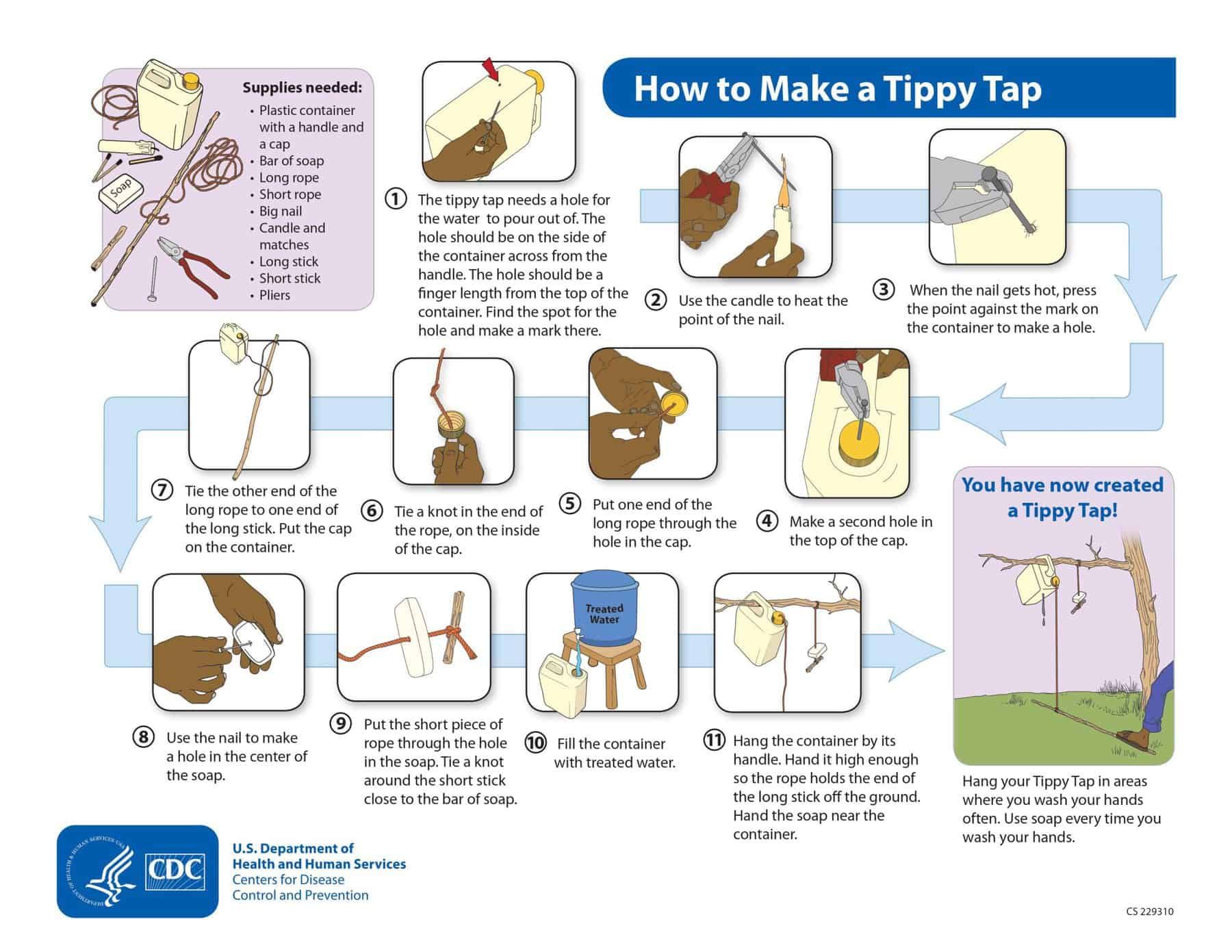
Photo courtesy of Wells Bring Hope Why Handwashing Matters Two of the leading causes of death for children under the age of five are diarrhea and pneumonia. The simple act of handwashing with soap is the most effective and inexpensive way to prevent infection and disease. Handwashing can cut the risk of diarrhea by 50% and the risk of p neumonia by 25% in this age group. Handwashing with soap not only affects health but also nutrition, education, economics and equity. (1) Health Washing hands with soap kill s bacteria and viruses so that they cannot enter the body or spread to other people. Approximately 525,000 children globally die from diarrheal diseases caused by fecal contamination. Handwashing reduces respiratory infections by removing pathogens from the hands after coughing and sneezing. Handwashing with soap is one of the most effective ways to slow the spread of outbreaks like Ebola and cholera, as well as eye infections like trachoma and intestinal worms. (21) Nutrition When children are infected with diarrhea, they often eat less and are unable to absorb nutrients in the food they do consume. Disease-causing bacteria, viruses, and parasites can enter the body and travel to the gut, where they damage the intestinal lining, causing a reduced ability to absorb nutrients. This results in undernourishment and increased susceptibility to other infections. Long-term nutrient deficiency can cause stunted growth, wasting, and death. When combined with access to clean drinking water, handwashing can prevent nearly half of all childhood diarrheal diseases. (31) Education Handwashing with soap is an essential component of healthy schools. It helps ensure that children stay healthy and able to attend school and learn. Globally, children miss a total of 272 million days of school per year due to diarrheal disease. Proper handwashing can help reduce the rate of absenteeism due to diarrhea, the flu and conjunctivitis (infection of the eye) by up to 50%. Schools should have handwashing stations at all toileting areas and where food is prepared for students and staff. Handwashing stations with soap and water assist girls in managing menstruation and reducing interruptions in their studies. (41) Equity Access to proper handwashing facilities varies widely throughout the world. The unequal distribution of access can lead to inequities in health, education and employment. (51) Gender -Women and girls need access to proper handwashing stations and latrines to manage menstrual hygiene in order to avoid absenteeism from school and the workplace. Socioeconomic Gap -Rural, poorer regions have lower access to WASH facilities than urban areas. Institutions -Globally, 36% of schools have no basic hygiene services, with the majority located in sub-Saharan Africa and Asia. Vulnerable Populations -People with disabilities, minority/ethnic groups, and those from marginalized and isolated communities are more likely to lack access to proper handwashing in schools. Economic Impact Lack of investment in handwashing systems can lead to additional health care costs, lost productivity, and premature death. Handwashing is more cost-effective than other public health interventions, such as treatment for diarrheal and respiratory diseases and major water infrastructure projects. There is evidence to suggest that the annual cost to developing countries for diarrheal and pneumococcal diseases can be up to 12 billion dollars, while a national handwashing program would cost less than 100 million dollars. (61) Alternative low-cost handwashing devices include: Tippy Taps: A simple plastic jug hung on a frame 5-gallon jugs with spigots PVC pipes connected to a pressurized tank or barrel Foot pump stations: portable sinks connected to a fresh or grey water source