




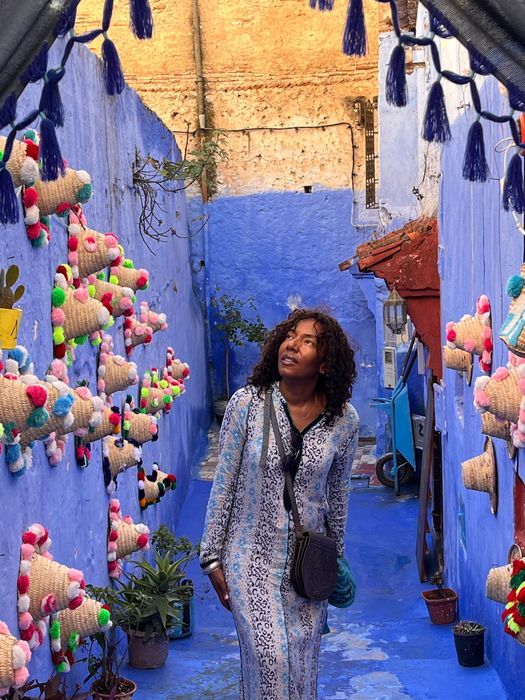



I can't recall when my interest in humanitarian causes began, but I remember a deep pressure in my chest whenever I saw a video of refugees crammed into rickety boats, striving to reach a foreign land for a better life. Maybe it was seeing the thousands of migrants walking hundreds of miles with their children, pregnant women, and the elderly to reach the Southern border, desperate for a chance at the American Dream. It might have also been the horrific stories coming out of places like Haiti, Myanmar, Sudan, Palestine, Ukraine, and the list goes on. A deeper contemplation of who I am revealed that I have always been a humanitarian at heart, but I was lost in the noise of a society that values rugged individualism and suggests that if I work hard enough, I'll be rewarded with all the trappings of success. I looked the other way and told myself the humanitarian crises I saw around the world couldn't really be this bad, and that eventually aid organizations and government agencies would come to the rescue of these refugees and migrants. That eventually those who have the power would do the right thing, find their humanity, and provide aid, food, shelter, and medical care. Every day I wake up to see the tragedy of our collective societies further breaking down and wonder, "How did we get here?" and "What purpose can I serve to make a change?" "How can I challenge the status quo and stand in solidarity with those who are sacrificing their well-being to help the less fortunate?" I decided to explore what I could do to step into positivity and hope to stave off the waves of sadness that sometimes overwhelmed me. I volunteered as a tutor for people taking the citizenship exam, and blogged for an NGO that builds wells and latrines in sub-Saharan Africa, donated to charitable organizations, and, of course, wrote dozens of emails to representatives in Congress. I had stepped away from voiceover for a while. I began to doubt my choices and didn't feel like I had the talent, the personality, or the right voice, and I didn't know where I fit in voiceover. I knew if I was going to continue in the field, I needed something different. I needed to feel passionate about the words I was saying and work with meaning and purpose. It finally dawned on me that serving those less fortunate is my true calling. I'm a pretty stubborn person by nature, and so I decided that walking away from voiceover wasn't the answer, but bringing my heart into voiceover was what was missing, not just chasing agents or gigs on pay-to-play platforms. That realization was a relief, an Ah-ha moment. I knew my work lay in bringing my voice to humanitarian spaces, so I took the leap, and now I know my purpose in voiceover is to voice stories that change lives. My goal is to narrate stories of hope, health, and humanity. To speak for impact, inspire action, and help missions be heard. This is my journey to finding my voice.
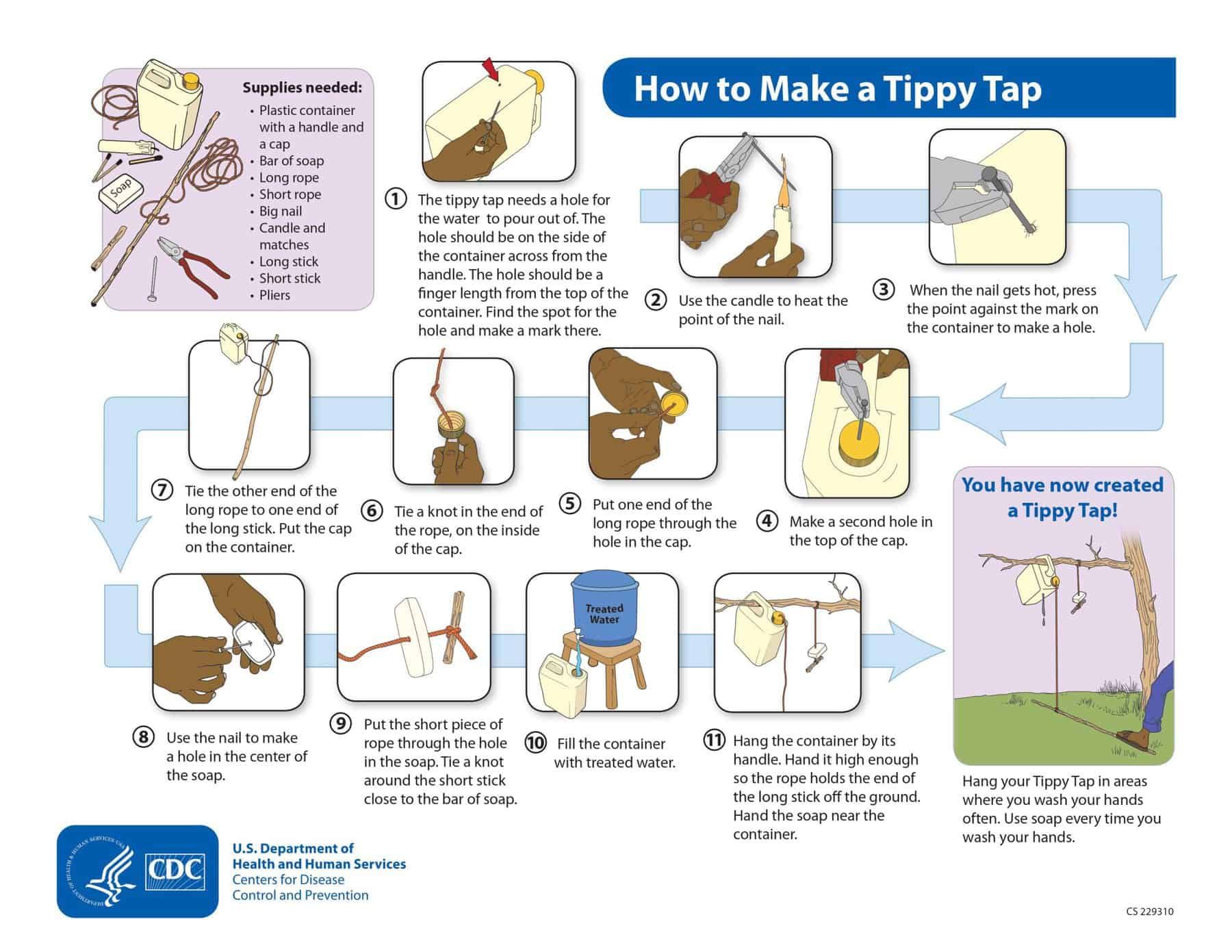
Photo courtesy of Wells Bring Hope Why Handwashing Matters Two of the leading causes of death for children under the age of five are diarrhea and pneumonia. The simple act of handwashing with soap is the most effective and inexpensive way to prevent infection and disease. Handwashing can cut the risk of diarrhea by 50% and the risk of p neumonia by 25% in this age group. Handwashing with soap not only affects health but also nutrition, education, economics and equity. (1) Health Washing hands with soap kill s bacteria and viruses so that they cannot enter the body or spread to other people. Approximately 525,000 children globally die from diarrheal diseases caused by fecal contamination. Handwashing reduces respiratory infections by removing pathogens from the hands after coughing and sneezing. Handwashing with soap is one of the most effective ways to slow the spread of outbreaks like Ebola and cholera, as well as eye infections like trachoma and intestinal worms. (21) Nutrition When children are infected with diarrhea, they often eat less and are unable to absorb nutrients in the food they do consume. Disease-causing bacteria, viruses, and parasites can enter the body and travel to the gut, where they damage the intestinal lining, causing a reduced ability to absorb nutrients. This results in undernourishment and increased susceptibility to other infections. Long-term nutrient deficiency can cause stunted growth, wasting, and death. When combined with access to clean drinking water, handwashing can prevent nearly half of all childhood diarrheal diseases. (31) Education Handwashing with soap is an essential component of healthy schools. It helps ensure that children stay healthy and able to attend school and learn. Globally, children miss a total of 272 million days of school per year due to diarrheal disease. Proper handwashing can help reduce the rate of absenteeism due to diarrhea, the flu and conjunctivitis (infection of the eye) by up to 50%. Schools should have handwashing stations at all toileting areas and where food is prepared for students and staff. Handwashing stations with soap and water assist girls in managing menstruation and reducing interruptions in their studies. (41) Equity Access to proper handwashing facilities varies widely throughout the world. The unequal distribution of access can lead to inequities in health, education and employment. (51) Gender -Women and girls need access to proper handwashing stations and latrines to manage menstrual hygiene in order to avoid absenteeism from school and the workplace. Socioeconomic Gap -Rural, poorer regions have lower access to WASH facilities than urban areas. Institutions -Globally, 36% of schools have no basic hygiene services, with the majority located in sub-Saharan Africa and Asia. Vulnerable Populations -People with disabilities, minority/ethnic groups, and those from marginalized and isolated communities are more likely to lack access to proper handwashing in schools. Economic Impact Lack of investment in handwashing systems can lead to additional health care costs, lost productivity, and premature death. Handwashing is more cost-effective than other public health interventions, such as treatment for diarrheal and respiratory diseases and major water infrastructure projects. There is evidence to suggest that the annual cost to developing countries for diarrheal and pneumococcal diseases can be up to 12 billion dollars, while a national handwashing program would cost less than 100 million dollars. (61) Alternative low-cost handwashing devices include: Tippy Taps: A simple plastic jug hung on a frame 5-gallon jugs with spigots PVC pipes connected to a pressurized tank or barrel Foot pump stations: portable sinks connected to a fresh or grey water source
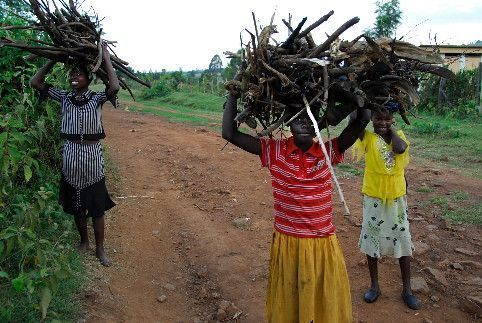
Introduction Niger is considered the world's youngest country, with 58 percent of its population under 18. With a population of 21.5 million people, nearly half of all Nigeriens live below the poverty level, which means the future prospects of many children are dim. (1) Niger is one of the countries hardest hit by the Sahel food crisis, driven by persistent drought, decimated crop yields, and soaring food prices. (2) Due to extreme poverty, particularly in rural parts of Niger, families often have no choice but to make their children work. In 2025, The World Health Organization (WHO) estimated that 4.3 million people faced a food crisis in Niger, worsened by severe climate change, manifested by cycles of extreme drought and damaging floods. (3) When food is scarce, Nigerien children like 12-year-old Oumar Soumana are forced to drop out of school and search for work to support their families. "It is a painful job for me," says Oumar. "I spend the whole day walking and do not really rest because I have to sell and bring the money back." (2) This is a story found all through Niger's rural villages, as children are forced to leave their homes and schools to earn money. Some Key Insights into Children's Work and Education Usually, work is found in the agricultural and mining sectors, both of which are very dangerous and subject to miserable conditions. These children face long working hours, little food, low wages, and no education. (4)
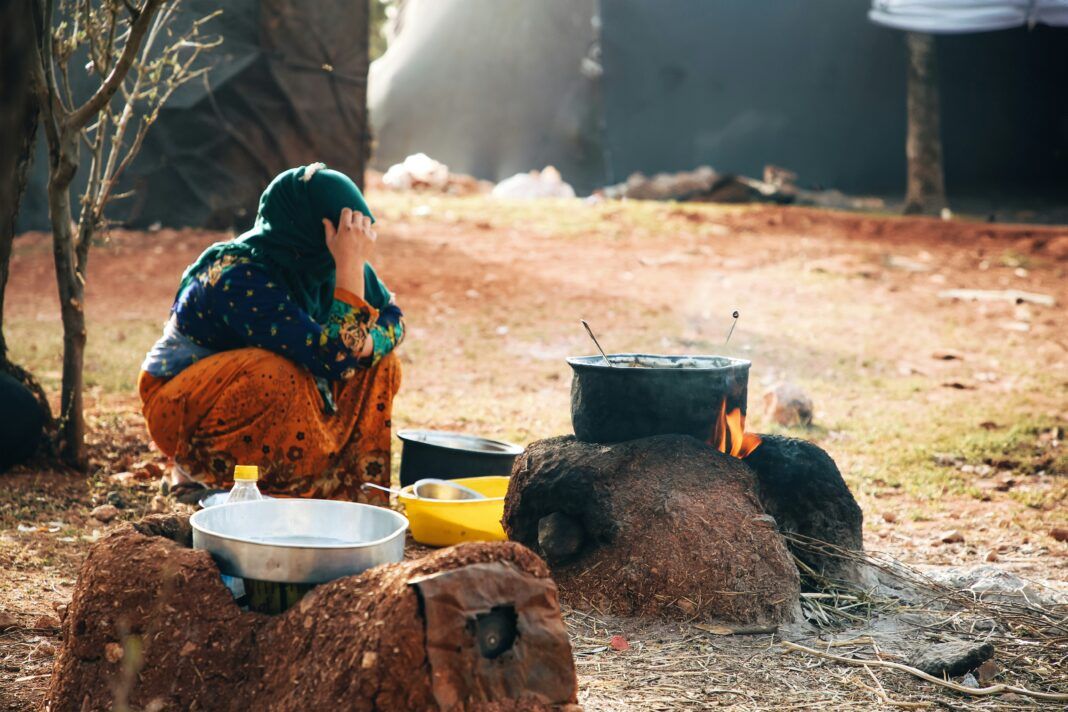
Overview of Refugee and Migrant Mental Health There are more displaced people on the move than ever before, and the numbers continue to rise. Refugees and migrants face specific physical and mental health challenges, influenced by the hardships they face in their country of origin. They have much greater difficulty accessing health care; therefore, addressing their health needs is a priority and a core principle of the right to health for all. (1) Key Facts: More than 1 billion people, or about 1 in 8 people globally, are on the move (1). Of this total, in 2024, an estimated 304 million are international migrants, double the number in 1990 (154 million) (1). According to WHO, about 117.3 million are forcibly displaced, which includes 73.5 million internally displaced people (IDP's), 36.4 million refugees, and 8.4million asylum seekers. (Data from 2024) (1). Global movement is expected to rise, driven by poverty, limited access to basic services, conflict, environmental disasters, and climate change (1). Refugees and migrants generally experience poorer health outcomes because of cultural and language barriers, discrimination and restrictive institutional policies that limit access to health care (1). The Mental Health Burden of Displacement Refugees and migrants may be at greater risk of mental health problems due to conditions experienced in their home country, adversity faced during their journey, their host country's restrictive entry policies, and harsh living and working conditions. (2) They may experience feelings of distress such as anxiety, hopelessness, anger, difficulty sleeping, and physical pain. Some of these symptoms improve over time, but for many they may worsen and develop into mental health conditions. (2) Stressors that migrants and refugees may face include: Pre-migration: exposure to armed conflict, violence, poverty, persecution, lack of development opportunities and natural disasters (2). Travel and Transit: exposure to harsh and life-threatening experiences such as violence, detainment and lack of access to services for basic needs (2). Post-Migration: barriers to accessing physical and mental health care, harsh living conditions, family separation, unknown legal status and detention (2). Re-settlement: Poor living conditions, unemployment, lack of social services, difficulty assimilating, tensions with host population, racism, social isolation and threat of deportation (2). Barriers to Mental Health Care Although refugees face numerous vulnerabilities and traumatic events, they are disproportionately underserved in the area of mental health care. Research by clinical psychologist Dr. Lars Dumke and his associates identified seven common barriers to mental health services that refugees and asylum seekers face. These include limited understanding of mental health issues, language barriers, poor awareness of available services, fear of stigma, attitudes towards treatment, practical and structural issues, and lack of competent providers. (3) Studies show that the two most common mental health disorders for refugees and asylum seekers are depression at 30% and Post-Traumatic Stress Disorder (PTSD) at 29% in high-income countries ( 7) . Estimates put these populations at seven times more likely to experience PTSD, three times more likely to suffer from depression, and two to three times more likely to exhibit anxiety, bipolar disorder, and psychosis. (3) UNDERSTANDING OF MENTAL HEALTH PROBLEMS 1. Unfamiliarity with symptoms of mental health problems 2. Inability to recognize symptoms 3. Misperceptions about the severity of symptoms FEAR OF STIGMA 1. Mental health problems perceived as shameful 2. Fear of being labeled, discrimination and isolation from community and family 3. Cultural and social norms may not prioritize mental health LACK OF AWARENESS OF SERVICES 1. Difficulty navigating new health systems 2. Lack of knowledge of legal entitlements 3. Lack of knowledge of role of health professionals and treatment options ATTITUDES TOWARDS TREATMENT 1. Perceptions by refugees and asylum seekers of benefit of treatment 2. Concerns about trust and confidentiality 3. Disclosure of poor mental health could impact residence status PRACTICAL AND STRUCTURAL ISSUES 1. Limited availability of mental health services resulting in long wait times 2. Lack of collaboration among health care services leading to fragmented care 3. Restrictions in health coverage, financial costs and unclear legal entitlements LANGUAGE BARRIERS 1. Communication difficulties limiting administrative actions 2. Lack of availability and quality of interpreters 3. Concern about the confidentiality and accuracy of interpreters PROVIDER ACCESS & COMPETENCE 1. Lack of knowledge by mental health providers of the special needs of refugees can lead to delays in treatment 2. Mental health professionals have concerns about their own mental distress when confronted with refugees traumatic experiences 3. Insensitivity, judgment and stereotyping have been reported by refugees and asylum seekers resulting in a lack of trust Quick Guide for Mental Health Screening The following medical screening guidance is for state public health departments and healthcare providers in the United States who conduct the initial medical screening for refugees. (4) Timely, appropriate referrals help refugees build healthier, more stable, and productive lives after resettlement. Key steps in conducting mental health screenings include (4): Review home country records for: Type and severity of trauma/abuse Substance abuse Physical and mental health disorders and harmful behaviors Review symptoms traditionally associated with mental health disorders such as headaches, physical ailments of unknown etiology, insomnia, nightmares, and change in eating behaviors. Because of the stigma associated with mental health disorders, questions should be posed under the umbrella of overall health, rather than an isolated psychiatric focus. *The following guidance is based on U.S. CDC recommendations for the domestic medical screening of refugees Screening for adults (≥18yrs old) using standardized tools like the Refugee Health Screener 15 (RHS-15) Clinicians may use either the Refugee Health Screener-15 (RHS-15) or a combination of screening tools. Screenings are intended to identify individuals who may need further assessment, not purly for diagnosing. For children (<18 yrs old) there is not a "gold standard" for mental health screening, but best practices employ a structured or semi structured assessment as part of an overall health assessment. Children with mental health disorders may appear withdrawn, anxious, angry or distressed. Screening for children and adolescents depends heavily on age. Sample assessment questions for parents and children during the domestic mental health screening (4) Symptoms Questions for Parents of Refugee Children (2 to <18 years) Do you have any concerns about your child’s behavior? Do you have concerns about the way your child is developing physically or emotionally? Do you have concerns about the way your child learns new things? Has your child witnessed or experienced any traumatic events? Have you and your child ever been separated for long periods? Questions for Refugee Children (6 to <18 years) * Do you have trouble sleeping? Do you have changes in your appetite? Do you get jumpy easily when you hear loud noises (i.e. door closes, a book drops on the floor)? Do you ever have bad dreams or nightmares? Do they remind you of things that really happened to you in the past? Do you often think about things that happened to you in the past? Do you feel too sad? If so, when? Do you ever feel like you do not want to be alive? If yes, do you ever think about or have you ever harmed yourself? Do you get angry easily? Functional Impairment (In deciding whether to refer for mental health treatment, these questions should be weighted heavily): Questions for Parents of Refugee Children (2 to <18 years) In the past month, including now, do your child’s emotional/behavioral problems or difficult experiences impair his/her ability to: Interact or play with peers/children their own age? Get along well with family members? Function in school (if they had the opportunity to attend)? Questions for Refugee Children (6 to <18 years) * In the past month, including now: Have you had any difficulty interacting or playing with other peers/children or your family? Is it difficult for you to have fun? *Use clinical judgement in determining which questions are appropriate for the child or adolescent to answer. Ask parents if child is unable or unwilling to answer questions. Step 4 Screen for substance abuse Discuss appropriate referrals if interested and discuss legal implications for substance abuse depending on host country of refugee and asylum seeker. Supporting Recovery, Resilience and Health Equity Organizations like the World Health Organization (WHO) and the UN High Commissioner for Refugees (UNHCR) promote several policy considerations that can help benefit refugees, migrants and asylum seekers. They provide operational guidance, toolkits, and advocacy (2). Promotion of community support and social inclusion can encourage refugee and migrant participation in community activities. Every attempt should be made to avoid separating families. Addressing social determinants helps ensure access to basic needs such as food, housing, legal assistance, safety, education and employment. Integration of mental health into general healthcare can help to assess and treat more people with mental health disorders. Training of medical professionals, migration officials, teachers and social workers can help them recognize signs of mental illness and get them referred to appropriate services. Also, employ interventions to consider linguistic and cultural factors (5,6). Provide flexible mental health services such as location, provider and treatment approaches that can be individually tailored. Protect and honor the human rights of all refugees and migrants regardless of legal status. Protection from discrimination and violence particularly against at risk groups, like the disabled, LGBTQI+, and unaccompanied minors should be prioritized. Empower community capacity by working with refugee and migrant groups, provide information on mental health services and offer community based referrals. DEFINITIONS: ASYLUM SEEKER: a person who applies for refuge or asylum in a foreign country or its ASYLUM: when a government accepts that your home country is unable or unwilling to ensure your protection and allows you to remain in their country in order to stay safe. I NTERNALLY DISPLACED PEOPLE (IDP's): a person who is forced to move within their home country because of war, persecution or natural disaster. MIGRANT: any person who is moving or has moved across an international border or within a State away from their habitual place of residence REFUGEE: a person who flees to a foreign country or power to escape danger or persecution. TRAINING MATERIALS: Psychological first aid: Guide for field workers https://cdn.who.int/media/docs/default-source/mental-health/mental-health-in-emergencies/psychological_guide_facilitators_slideshow.pdf?sfvrsn=2870aaa8_1 Sources 1. World Health Organization. “Refugee and Migrant Health.” World Health Organization, 25 Mar. 2026, https://www.who.int/news-room/fact-sheets/detail/refugee and-migrant-health . Accessed 25 July 2026. 2. Refugee and Migrant Mental Health . h ttps://www.who.int/news-room/fact-sheets/detail/refugee-and-migrant-mental-health . Accessed 25 July 2026. 3. Dumke, Lars, et al. “Barriers to Accessing Mental Health Care for Refugees and Asylum Seekers in High-Income Countries: A Scoping Review of Reviews Mapping Demand and Supply-Side Factors onto a Conceptual Framework.” Clinical Psychology Review , vol. 113, Nov. 2024, p. 102491. https://doi.org/10.1016/j.cpr.2024.102491 . 4. Centers for Disease Control and Prevention. “Mental Health.” Immigrant and Refugee Health, 31 Jan. 2025, https://www.cdc.gov/immigrant-refugee health/hcp/domestic-guidance/mental-health.html . 5. World Health Organization. Psychological First Aid: Guide for Field Workers. World Health Organization, 2 Oct. 2011, https://www.who.int/publications/i/item/9789241548205 . Accessed 25 July 2026. 6. United Nations High Commissioner for Refugees. “Mental Health and Psychosocial Support.” UNHCR, https://www.unhcr.org/what-we-do/protect-human rights/public-health/mental-health-and-psychosocial-support . Accessed 25 July 2026. 7. Blackmore et al./Molendijk et al. systematic review and meta-analysis — 2020 Assessed and Endorsed by the MedReport Medical Review Board