

I can't recall when my interest in humanitarian causes began, but I remember a deep pressure in my chest whenever I saw a video of refugees crammed into rickety boats, striving to reach a foreign land for a better life. Maybe it was seeing the thousands of migrants walking hundreds of miles with their children, pregnant women, and the elderly to reach the Southern border, desperate for a chance at the American Dream. It might have also been the horrific stories coming out of places like Haiti, Myanmar, Sudan, Palestine, Ukraine, and the list goes on. A deeper contemplation of who I am revealed that I have always been a humanitarian at heart, but I was lost in the noise of a society that values rugged individualism and suggests that if I work hard enough, I'll be rewarded with all the trappings of success. I looked the other way and told myself the humanitarian crises I saw around the world couldn't really be this bad, and that eventually aid organizations and government agencies would come to the rescue of these refugees and migrants. That eventually those who have the power would do the right thing, find their humanity, and provide aid, food, shelter, and medical care. Every day I wake up to see the tragedy of our collective societies further breaking down and wonder, "How did we get here?" and "What purpose can I serve to make a change?" "How can I challenge the status quo and stand in solidarity with those who are sacrificing their well-being to help the less fortunate?" I decided to explore what I could do to step into positivity and hope to stave off the waves of sadness that sometimes overwhelmed me. I volunteered as a tutor for people taking the citizenship exam, and blogged for an NGO that builds wells and latrines in sub-Saharan Africa, donated to charitable organizations, and, of course, wrote dozens of emails to representatives in Congress. I had stepped away from voiceover for a while. I began to doubt my choices and didn't feel like I had the talent, the personality, or the right voice, and I didn't know where I fit in voiceover. I knew if I was going to continue in the field, I needed something different. I needed to feel passionate about the words I was saying and work with meaning and purpose. It finally dawned on me that serving those less fortunate is my true calling. I'm a pretty stubborn person by nature, and so I decided that walking away from voiceover wasn't the answer, but bringing my heart into voiceover was what was missing, not just chasing agents or gigs on pay-to-play platforms. That realization was a relief, an Ah-ha moment. I knew my work lay in bringing my voice to humanitarian spaces, so I took the leap, and now I know my purpose in voiceover is to voice stories that change lives. My goal is to narrate stories of hope, health, and humanity. To speak for impact, inspire action, and help missions be heard. This is my journey to finding my voice.
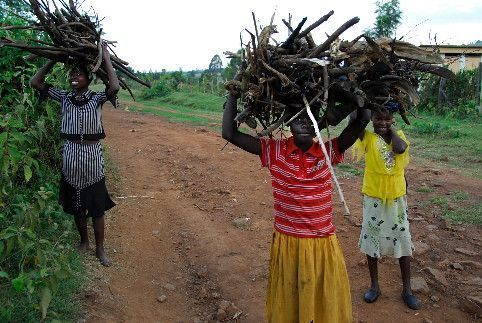
Introduction Niger is considered the world's youngest country, with 58 percent of its population under 18. With a population of 21.5 million people, nearly half of all Nigeriens live below the poverty level, which means the future prospects of many children are dim. (1) Niger is one of the countries hardest hit by the Sahel food crisis, driven by persistent drought, decimated crop yields, and soaring food prices. (2) Due to extreme poverty, particularly in rural parts of Niger, families often have no choice but to make their children work. In 2025, The World Health Organization (WHO) estimated that 4.3 million people faced a food crisis in Niger, worsened by severe climate change, manifested by cycles of extreme drought and damaging floods. (3) When food is scarce, Nigerien children like 12-year-old Oumar Soumana are forced to drop out of school and search for work to support their families. "It is a painful job for me," says Oumar. "I spend the whole day walking and do not really rest because I have to sell and bring the money back." (2) This is a story found all through Niger's rural villages, as children are forced to leave their homes and schools to earn money. Some Key Insights into Children's Work and Education Usually, work is found in the agricultural and mining sectors, both of which are very dangerous and subject to miserable conditions. These children face long working hours, little food, low wages, and no education. (4)