
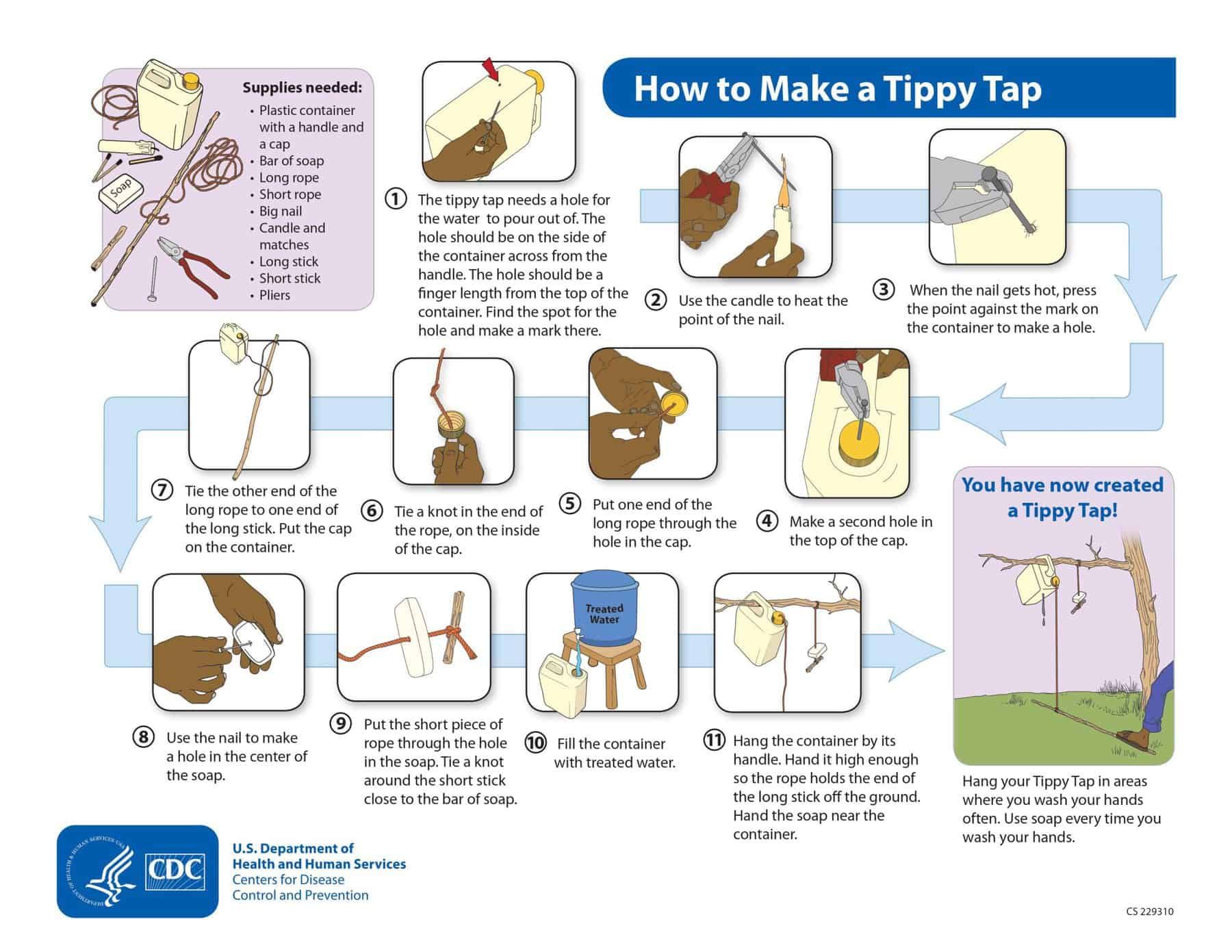
Photo courtesy of Wells Bring Hope Why Handwashing Matters Two of the leading causes of death for children under the age of five are diarrhea and pneumonia. The simple act of handwashing with soap is the most effective and inexpensive way to prevent infection and disease. Handwashing can cut the risk of diarrhea by 50% and the risk of p neumonia by 25% in this age group. Handwashing with soap not only affects health but also nutrition, education, economics and equity. (1) Health Washing hands with soap kill s bacteria and viruses so that they cannot enter the body or spread to other people. Approximately 525,000 children globally die from diarrheal diseases caused by fecal contamination. Handwashing reduces respiratory infections by removing pathogens from the hands after coughing and sneezing. Handwashing with soap is one of the most effective ways to slow the spread of outbreaks like Ebola and cholera, as well as eye infections like trachoma and intestinal worms. (21) Nutrition When children are infected with diarrhea, they often eat less and are unable to absorb nutrients in the food they do consume. Disease-causing bacteria, viruses, and parasites can enter the body and travel to the gut, where they damage the intestinal lining, causing a reduced ability to absorb nutrients. This results in undernourishment and increased susceptibility to other infections. Long-term nutrient deficiency can cause stunted growth, wasting, and death. When combined with access to clean drinking water, handwashing can prevent nearly half of all childhood diarrheal diseases. (31) Education Handwashing with soap is an essential component of healthy schools. It helps ensure that children stay healthy and able to attend school and learn. Globally, children miss a total of 272 million days of school per year due to diarrheal disease. Proper handwashing can help reduce the rate of absenteeism due to diarrhea, the flu and conjunctivitis (infection of the eye) by up to 50%. Schools should have handwashing stations at all toileting areas and where food is prepared for students and staff. Handwashing stations with soap and water assist girls in managing menstruation and reducing interruptions in their studies. (41) Equity Access to proper handwashing facilities varies widely throughout the world. The unequal distribution of access can lead to inequities in health, education and employment. (51) Gender -Women and girls need access to proper handwashing stations and latrines to manage menstrual hygiene in order to avoid absenteeism from school and the workplace. Socioeconomic Gap -Rural, poorer regions have lower access to WASH facilities than urban areas. Institutions -Globally, 36% of schools have no basic hygiene services, with the majority located in sub-Saharan Africa and Asia. Vulnerable Populations -People with disabilities, minority/ethnic groups, and those from marginalized and isolated communities are more likely to lack access to proper handwashing in schools. Economic Impact Lack of investment in handwashing systems can lead to additional health care costs, lost productivity, and premature death. Handwashing is more cost-effective than other public health interventions, such as treatment for diarrheal and respiratory diseases and major water infrastructure projects. There is evidence to suggest that the annual cost to developing countries for diarrheal and pneumococcal diseases can be up to 12 billion dollars, while a national handwashing program would cost less than 100 million dollars. (61) Alternative low-cost handwashing devices include: Tippy Taps: A simple plastic jug hung on a frame 5-gallon jugs with spigots PVC pipes connected to a pressurized tank or barrel Foot pump stations: portable sinks connected to a fresh or grey water source
Introduction Niger is considered the world's youngest country, with 58 percent of its population under 18. With a population of 21.5 million people, nearly half of all Nigeriens live below the poverty level, which means the future prospects of many children are dim. (1) Niger is one of the countries hardest hit by the Sahel food crisis, driven by persistent drought, decimated crop yields, and soaring food prices. (2) Due to extreme poverty, particularly in rural parts of Niger, families often have no choice but to make their children work. In 2025, The World Health Organization (WHO) estimated that 4.3 million people faced a food crisis in Niger, worsened by severe climate change, manifested by cycles of extreme drought and damaging floods. (3) When food is scarce, Nigerien children like 12-year-old Oumar Soumana are forced to drop out of school and search for work to support their families. "It is a painful job for me," says Oumar. "I spend the whole day walking and do not really rest because I have to sell and bring the money back." (2) This is a story found all through Niger's rural villages, as children are forced to leave their homes and schools to earn money. Some Key Insights into Children's Work and Education Usually, work is found in the agricultural and mining sectors, both of which are very dangerous and subject to miserable conditions. These children face long working hours, little food, low wages, and no education. (4)